
Government, Partners & Media Information
Home
This initiative is currently in its institutional engagement phase. Public promotion will commence following formal partnerships and confirmations.
Supported by partners committed to South Africa’s cultural heritage.

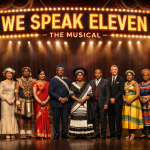
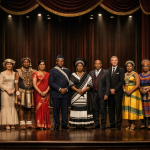



The 2027 We Speak Eleven National Festival.
Why This Festival Matters
South Africa is rich in language and culture, yet many communities rarely experience one another in shared spaces.
The We Speak Eleven Festival creates a place where cultures meet on equal terms — through language, music, food, and storytelling. It is not a competition or a performance of identity, but a shared experience rooted in respect and authenticity.
By bringing people together in one space, the festival encourages understanding, learning, and connection across communities, generations, and languages.
This is a non-political, non-profit cultural initiative focused on heritage, education, and national unity — built on participation, dignity, and trust.
Festival & Cultural Vision
The We Speak Eleven Festival and Musical unite South Africa through culture, heritage, and music. Every community has a place in these productions — equal in visibility, dignity, and representation.
These initiatives bring cultural groups together to promote cultural preservation, national unity, and economic opportunity, while offering audiences a unique, immersive experience.
Artisan Stall Bookings: Communities or individuals wishing to sell handcrafted goods may apply for a dedicated stall within their village for an additional participation fee.
The “Village Experience”
Each village includes:
Live Music: Local instruments and traditional songs.
Taste of Heritage: Signature food from that specific culture.
Dance and Storytelling: Elders sharing oral histories.
Visual Arts: Craft-making and traditional attire displays.
Entertainment: At the village, visitors are invited to reconnect with the heartbeat of the home. This space is dedicated to Heritage Games, the old-fashioned pastimes that shaped generations—and the sharing of Traditional Wellness, where the knowledge of home remedies and natural wisdom is passed from elders to the youth.
The Village Marketplace:
Commercial Participation & Artisan Stalls While each Cultural Village is a dedicated space for heritage and education, we recognize the importance of economic empowerment for local creators.
The Authenticity Clause: All stallholders are bound by the Festival Charter. Only handcrafted, culturally relevant items are permitted. The resale of mass-produced, “shop-bought” inventory is strictly prohibited to ensure the marketplace remains a platform for genuine South African craftsmanship.
Separation of Space: Participation in a Cultural Village does not automatically include a retail footprint.
Artisan Stall Bookings: Communities or individuals wishing to sell handcrafted goods may apply for a dedicated stall within their village for an additional participation fee.